Summer can be demanding for any home cooling system, but coastal properties often face an additional set of challenges. Salt-filled air, high humidity, strong sunlight, and frequent temperature changes can all affect how well an HVAC system performs. What might seem like a minor issue in spring can become a major comfort problem once summer temperatures arrive.
For homeowners near the coast, understanding these issues early can make it easier to maintain indoor comfort and avoid unnecessary breakdowns. Scheduling ac repair for coastal homes when problems first appear can also help prevent small HVAC concerns from becoming more expensive repairs during the busiest part of the cooling season.
Salt Air Can Accelerate Corrosion
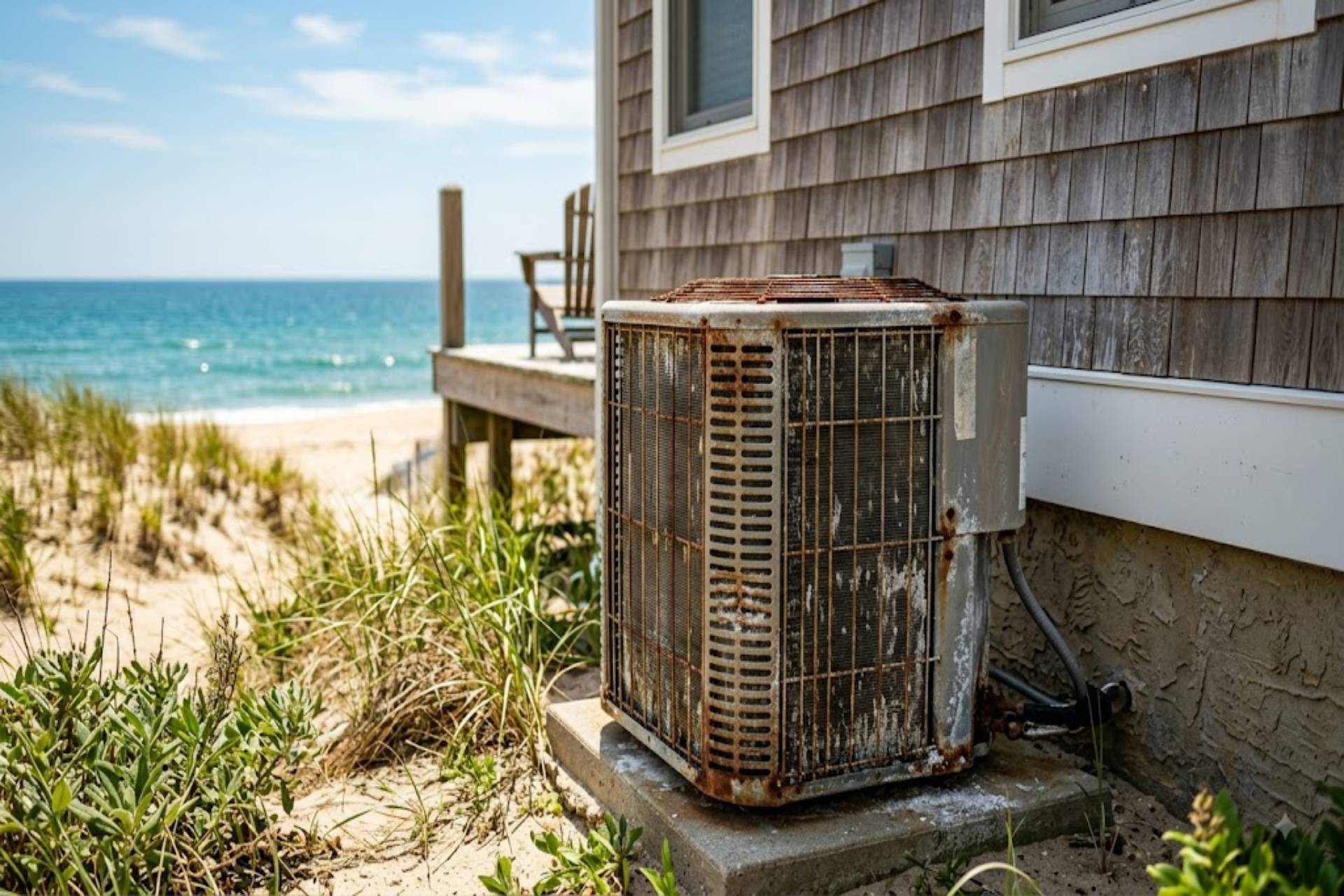
One of the biggest concerns for coastal HVAC systems is salt exposure. Ocean air contains salt particles that can settle on outdoor equipment, including condenser coils, electrical connections, fasteners, and other metal components.
Over time, this exposure can contribute to corrosion. Rust and deterioration may restrict airflow, damage electrical components, and reduce the efficiency of the outdoor unit. In severe cases, corrosion can shorten the useful life of equipment.
Homeowners in coastal areas should therefore pay close attention to the condition of their outdoor HVAC units. Regular professional inspections can identify early signs of corrosion before they affect the system’s performance.
High Humidity Creates More Work for Your AC
Coastal summers are often humid as well as hot. While an air conditioner is designed to remove some moisture from indoor air, excessive humidity can make the system work harder to maintain a comfortable environment.
When humidity remains high inside the home, rooms may feel warmer than the thermostat setting suggests. You may also notice condensation around vents, a damp feeling in certain rooms, or an increased risk of mold and mildew in areas with poor ventilation.
An HVAC system that is correctly sized and maintained can manage both temperature and humidity more effectively. However, persistent moisture problems may indicate an underlying issue with airflow, drainage, insulation, or the cooling system itself.
Outdoor Units Face Harsh Conditions
The outdoor portion of an HVAC system is naturally exposed to the elements. Coastal homes add another layer of environmental stress because equipment may be exposed to salt air, heavy rain, wind, and intense sunlight.
Debris such as sand, leaves, grass clippings, and other outdoor material can accumulate around the condenser. If airflow becomes restricted, the system may struggle to release heat efficiently.
Keeping the area around the outdoor unit clear is a simple but important maintenance step. Homeowners should also avoid placing objects, furniture, or landscaping too close to the condenser. Adequate clearance allows air to move freely around the equipment.
Summer Heat Can Reveal Existing Problems
HVAC systems often give homeowners warning signs before a complete failure occurs. The problem is that these signs can be easy to overlook during mild weather.
A system that takes longer than usual to cool the house, cycles on and off repeatedly, produces unusual sounds, or struggles to maintain the thermostat setting may already be experiencing a problem.
During a mild spring day, an underperforming air conditioner might still seem adequate. Once outdoor temperatures rise, however, the system has to operate for longer periods. Existing weaknesses can become much more noticeable, increasing the possibility of an inconvenient breakdown.
Addressing unusual behavior before the peak summer season is usually a better approach than waiting until the system stops working altogether.
Airflow Problems Can Affect the Entire Home
Poor airflow is another issue homeowners should watch for, particularly in larger coastal properties where cooling needs may vary between rooms.
A clogged filter, blocked vent, dirty coil, damaged ductwork, or malfunctioning blower can interfere with the movement of conditioned air. The result may be rooms that feel noticeably warmer or colder than others.
Uneven temperatures can also encourage homeowners to lower the thermostat repeatedly, which may cause the system to run longer without actually solving the underlying problem.
Replacing filters according to the manufacturer’s recommendations and keeping supply and return vents unobstructed can support better airflow. If certain areas of the home remain uncomfortable despite these steps, an HVAC professional can investigate the cause.
Coastal Homes May Need More Frequent Maintenance
Every HVAC system benefits from regular maintenance, but coastal properties can have additional environmental factors to consider. Salt exposure and humidity may make certain components more vulnerable to deterioration, while outdoor debris can accumulate quickly.
A professional inspection before summer can provide an opportunity to examine electrical connections, refrigerant-related components, coils, condensate drainage, airflow, and the general condition of the equipment.
Maintenance is also a useful time to identify smaller problems that might otherwise go unnoticed. Catching a worn component or restricted airflow early can help homeowners make informed decisions before the cooling system is placed under heavy summer demand.
Energy Efficiency Matters During Long Cooling Seasons
When temperatures remain high for extended periods, an inefficient HVAC system can have a noticeable effect on household energy use. A system that has to run longer to reach the desired temperature naturally consumes more energy.
Several factors can contribute to this problem, including dirty components, poor airflow, aging equipment, inadequate insulation, and thermostat issues. The condition of the home itself also matters. Gaps around doors and windows, insufficient attic insulation, and excessive sunlight through uncovered windows can all increase the cooling load.
Improving the home’s efficiency can reduce some of the pressure placed on the HVAC system. Simple measures such as using window coverings during the hottest part of the day and sealing obvious air leaks can complement regular HVAC maintenance.
Know the Warning Signs Before Summer Arrives
Homeowners do not need to wait for a complete system failure before taking action. Changes in cooling performance, unusual odors, strange noises, water around the indoor unit, frequent cycling, or unexpected increases in energy consumption can all deserve attention.
Ignoring these signs may allow a relatively manageable issue to develop into a larger problem. More importantly, a malfunctioning air conditioner can leave a home uncomfortable when outdoor temperatures are at their highest.
Preparing for summer is therefore about more than simply turning on the thermostat when the weather warms up. Coastal homeowners should consider the environmental conditions their HVAC equipment faces throughout the year.
Prepare Your HVAC System Before the Heat
Coastal living comes with plenty of advantages, but the environment can be demanding on home cooling equipment. Salt air, humidity, heat, debris, and long cooling periods can all influence HVAC performance.
Taking care of routine maintenance, keeping outdoor equipment clear, paying attention to warning signs, and addressing problems before summer reaches its peak can help homeowners stay ahead of avoidable issues.
Most importantly, a comfortable home does not depend solely on how powerful an air conditioner is. Proper maintenance, efficient operation, healthy airflow, and a home that is prepared for summer heat all work together. By understanding the challenges unique to coastal properties, homeowners can approach the cooling season with greater confidence and fewer unpleasant surprises.
Conclusion
Preparing a coastal home for summer requires more than simply turning on the air conditioner when temperatures rise. Salt air, humidity, heat, debris, and extended cooling cycles can all affect HVAC performance, making regular maintenance especially important for homes near the coast. Homeowners should watch for warning signs such as weak airflow, unusual noises, frequent cycling, uneven temperatures, rising energy bills, and moisture around the system. Addressing these concerns early can help protect expensive HVAC equipment and reduce the likelihood of an inconvenient summer breakdown.
Routine inspections, clean filters, unobstructed outdoor units, proper airflow, and timely air conditioning repairs can all contribute to more dependable cooling. By taking a proactive approach to coastal HVAC maintenance, homeowners can improve energy efficiency, protect their equipment, and enjoy a more comfortable home throughout the summer season.