A furnace often shows warning signs before it stops working completely. Changes in airflow, unusual noises, inconsistent temperatures, or rising energy bills can indicate developing problems. Recognizing these signs early helps homeowners address issues before cold weather puts extra demand on their heating systems.
For homeowners preparing for winter, furnace repair and maintenance in Fresno, CA, can help address emerging problems and keep heating equipment operating safely. Understanding which symptoms to watch for, what you can check yourself, and when to call a qualified technician can make winter preparation more straightforward.
Warning Signs Your Furnace Needs Attention
Furnace problems do not always begin with a complete loss of heat. Small changes in how the system operates may indicate that a component needs inspection or maintenance.
Uneven Heating or Weak Airflow
If some rooms feel colder than others or the furnace produces less airflow than usual, check the air filter first. A dirty filter can restrict airflow and make the system work harder. Blocked supply vents or return grilles can also affect heat distribution.
If replacing a dirty filter and clearing obstructions do not improve performance, the problem may involve the blower motor, ductwork, or another component. A technician can identify the cause before the system experiences further strain.
Unusual Noises During Operation
Furnaces normally produce some operating sounds, but new or persistent noises deserve attention. Banging, rattling, squealing, or repeated clicking may indicate loose parts, motor problems, ignition issues, or other mechanical faults.
The sound alone cannot confirm the cause. Avoid opening internal components to investigate. If the noise continues or becomes more pronounced, arrange a professional inspection rather than waiting for the furnace to stop working.
Frequent Cycling or Difficulty Starting
A furnace that switches on and off repeatedly may be experiencing a problem with airflow, thermostat settings, overheating protection, or another control component. This behavior, sometimes called short cycling, can reduce comfort and place additional strain on the system.
If the furnace struggles to start or fails to maintain the selected temperature, check the thermostat settings and replace its batteries if applicable. Persistent starting problems require professional diagnosis.
Rising Energy Bills and Other Performance Changes
An unexplained increase in heating costs can indicate that a furnace is using more energy to maintain the same indoor temperature. Restricted airflow, dirty components, control problems, or aging equipment may contribute to reduced performance.
However, energy bills can also rise because of colder weather, changes in thermostat settings, or increased household heating needs. Compare usage across similar periods before assuming the furnace is responsible.
Pay attention to changes in heating time, temperature consistency, and how often the system runs. When several warning signs appear together, scheduling an inspection can help identify whether maintenance or repairs are needed.
Strange Odors and Furnace Safety
A brief dusty smell when a furnace starts after months of inactivity may occur as accumulated dust heats up. The odor should fade relatively quickly. Persistent burning smells, electrical odors, or unusual chemical smells should not be ignored.
If you smell natural gas or suspect a gas leak, leave the building immediately. Do not operate electrical switches, use flames, or attempt to locate the leak. Once you are safely outside, contact the gas utility or emergency services according to local guidance.
Carbon monoxide is another serious concern with fuel-burning heating equipment. This gas is colorless and odorless, so you cannot rely on smell to detect it. Install carbon monoxide alarms according to manufacturer instructions and applicable local requirements. If an alarm sounds or anyone develops symptoms such as dizziness, headache, nausea, or confusion, move outdoors immediately and seek emergency assistance.
A yellow or flickering burner flame can indicate a combustion problem in some furnaces, although flame appearance alone is not a reliable diagnosis. Have a qualified technician investigate unusual flame behavior or suspected combustion issues.
Simple Checks Before Calling a Technician
Homeowners can perform a few basic checks to identify common issues without handling potentially dangerous furnace components. Before winter arrives, make these checks part of your heating preparation:
- Inspect the air filter: Check it regularly and replace it according to the manufacturer’s recommendations.
- Check the thermostat: Confirm that it is set to heating mode, the temperature setting is appropriate, and the batteries work if required.
- Clear vents and registers: Remove furniture, curtains, and other obstructions that could restrict airflow.
- Keep the furnace area clear: Avoid storing items around the equipment, especially anything combustible, and maintain the required clearances.
- Review the system’s instructions: Check the owner’s manual for routine care guidance and the correct procedure for responding to a fault indicator.
These checks can help resolve simple issues, but they cannot replace professional diagnosis. Never remove safety panels, work on gas connections, or attempt electrical repairs yourself.
Why Furnace Maintenance Matters Before Winter
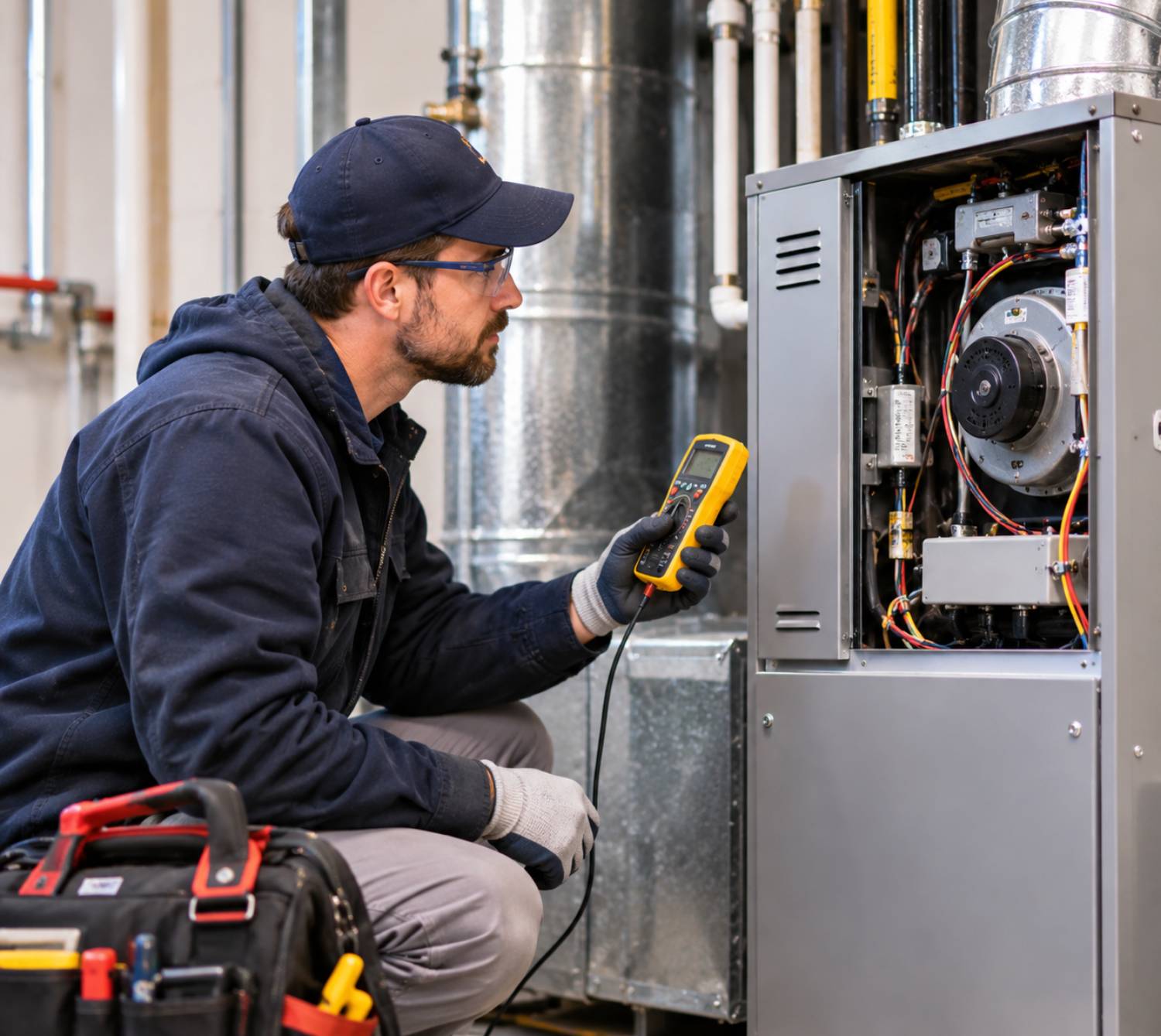
Annual professional maintenance gives a technician an opportunity to inspect the heating system before it faces regular winter use. Depending on the equipment, service may include checking electrical connections, inspecting burners and ignition components, evaluating airflow, and examining safety controls.
Preventive maintenance can also reveal developing faults before they cause a complete breakdown. However, it cannot guarantee that a furnace will never fail, particularly if components wear out unexpectedly.
If your furnace has produced unusual noises, struggled to heat the home, or required frequent adjustments, mention these symptoms when booking service. This information can help the technician investigate the underlying issue rather than focusing only on routine cleaning.
Homeowners seeking furnace repair and maintenance in Fresno, CA should consider both the system’s current symptoms and its maintenance history. If the furnace is older or has needed repeated repairs, ask whether continued repairs remain practical or whether replacement deserves consideration. The decision should reflect the equipment’s condition, repair needs, and household budget.
FAQs
Q.1 How can I tell if my furnace may break down during winter?
Watch for weak airflow, uneven heating, repeated cycling, unusual noises, difficulty starting, or unexplained increases in energy use. These signs do not guarantee a breakdown, but they indicate that the system may need attention.
Q.2 How often should a furnace be professionally inspected?
Annual professional maintenance is a sensible general recommendation for most residential furnaces. Follow the manufacturer’s maintenance schedule and arrange an inspection sooner if performance problems develop.
Q.3 Can a dirty air filter cause furnace problems?
Yes. A clogged filter restricts airflow and can contribute to overheating, reduced heating performance, or system shutdowns. Check and replace the filter as directed by the manufacturer.
Q.4 Why does my furnace turn on and off repeatedly?
Frequent cycling can result from restricted airflow, thermostat issues, overheating, or faulty components. Check the thermostat and filter, and arrange professional service if the problem continues.
Q.5 When should I stop using my furnace and seek professional help?
Stop using the system if you suspect a gas leak, detect an electrical burning smell, or notice other serious safety concerns. Leave immediately if you suspect a gas leak or carbon monoxide exposure, then contact the appropriate emergency service from a safe location.
What to Remember
Spotting furnace trouble early can help homeowners address minor issues before they develop into disruptive winter breakdowns. Monitor airflow, heating consistency, operating sounds, odors, and energy use, and arrange professional service when warning signs persist.
Check your filter and thermostat, keep vents clear, and schedule maintenance before cold weather arrives. If you need furnace repair and maintenance in Fresno, CA, have a qualified technician assess the system and explain the practical options for safe, dependable heating.