
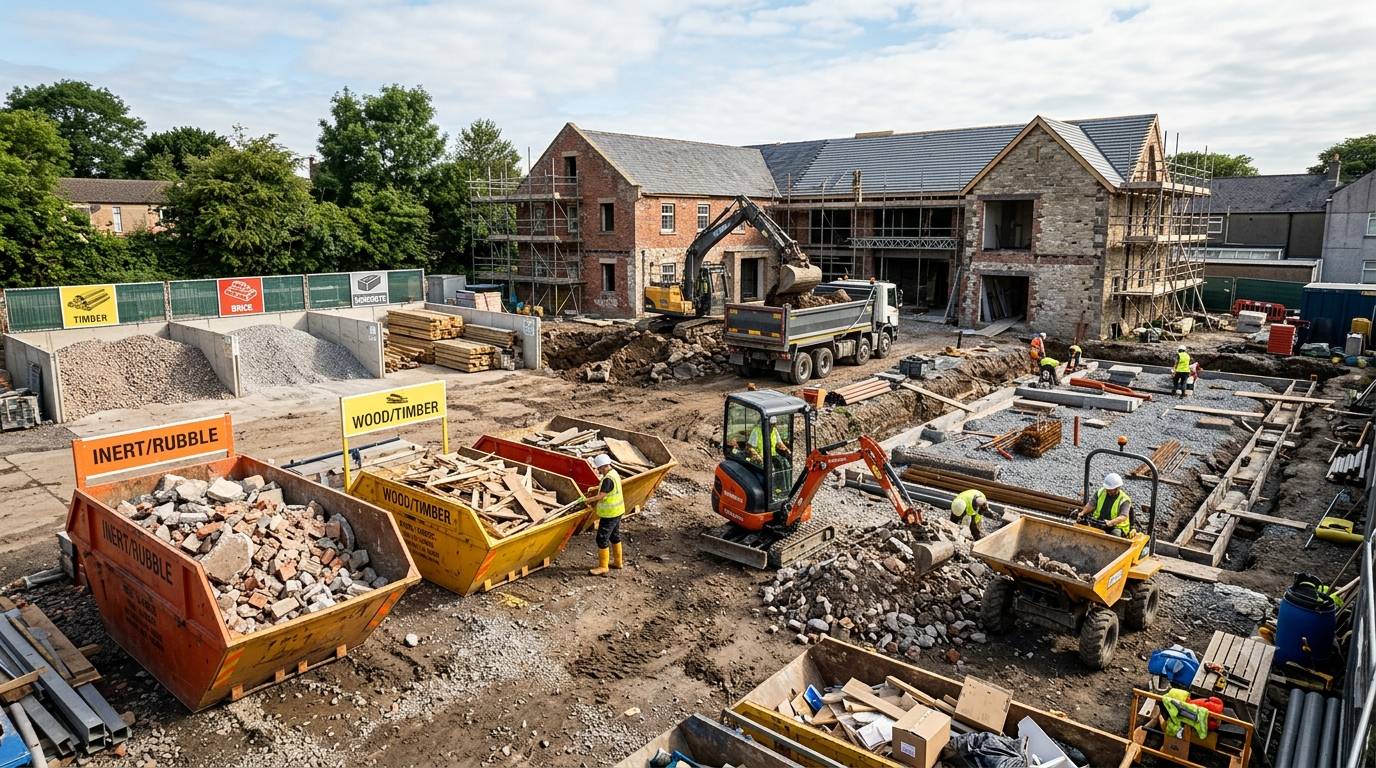
Renovation and groundwork projects often involve removing old materials, preparing surfaces and creating new structures. From broken concrete and soil to timber, bricks and packaging, waste can quickly build up if it is not managed properly. A clear waste plan helps keep the site organised, improves safety and allows work to continue without unnecessary delays.
Before starting any renovation or groundwork task, it is important to understand the type and amount of waste that may be produced. Arranging grab hire Camberley services can help project managers and homeowners plan efficient removal of loose materials while keeping the work area clear and accessible.
Plan Waste Management Before Work Begins
A successful project starts with preparation. Before demolition, excavation or construction begins, identify the materials that will need removing and decide how they will be stored temporarily. This makes it easier to choose suitable waste removal options and avoid clutter around the site.
When arranging grab hire Camberley, consider the access available around the property, the type of waste being removed and the timing of collections. Planning these details early can help prevent waste from affecting the progress of the renovation or creating hazards for workers and visitors.
Separate and Sort Different Waste Materials
Sorting waste during renovation and groundwork makes disposal more efficient. Instead of mixing everything together, separate materials based on their type and condition. This approach can make recycling easier and reduce the amount of material sent for general disposal.
Common waste categories may include:
- Soil and excavated materials from groundwork.
- Bricks, concrete and rubble from demolition.
- Timber, metal and packaging from construction activities.
- Reusable fixtures, fittings and building materials.
Manage Groundwork Waste Carefully
Groundwork tasks can create large amounts of heavy waste, including earth, stones and old foundations. Removing these materials quickly helps maintain a safer working environment and provides more space for machinery and construction activities. Leaving large piles around the site can restrict movement and make the area harder to manage.
Before removing excavation waste, assess the condition of the materials and where they need to go. Some materials may be suitable for reuse elsewhere on the project, while others may require professional disposal. Keeping records of waste movements can also help maintain better organisation throughout larger projects.
Reuse Suitable Materials Where Possible
Renovation waste is not always unusable. Some items removed during building work may still have value and can be reused in another area of the property. Bricks, timber, paving materials and fixtures can sometimes be cleaned, repaired or repurposed instead of being discarded.
Careful removal is important when trying to save materials. Damaged handling can turn reusable items into waste. Setting aside materials early and protecting them from weather or further damage gives homeowners and builders more opportunities to reduce unnecessary disposal.
Follow Safe Waste Handling Practices
Safety should always be a priority when managing site waste. Construction materials can include sharp edges, heavy objects and unstable piles that may create risks if left unmanaged. Waste should be moved regularly and stored away from access routes, equipment and active work areas.
Good waste handling practices include:
- Keeping walkways and entrances free from debris.
- Using suitable containers for different materials.
- Removing sharp or hazardous items safely.
- Storing lightweight waste securely to prevent it spreading.
- Checking waste areas regularly during the project.
Consider Environmental Responsibilities
Responsible waste management is an important part of modern renovation and construction work. Reducing unnecessary waste, recycling suitable materials and choosing appropriate disposal methods can help limit the environmental impact of a project.
Homeowners and contractors should understand what materials can be recycled and whether certain waste types need specialist handling. Following local guidance ensures that materials are managed correctly and prevents unsuitable items from being disposed of incorrectly.
Keep Waste Removal Aligned with Project Stages
Different stages of renovation produce different types of waste. Demolition usually creates heavier materials such as rubble and concrete, while later stages may involve packaging, leftover materials and smaller amounts of debris. Matching waste removal with the project schedule helps maintain an organised site.
Regular checks can help identify when waste needs to be removed. Waiting too long can result in limited working space, while removing waste too frequently may create unnecessary costs. A balanced approach keeps the site efficient throughout the renovation process.
Wrapping Up
Managing site waste effectively is essential for keeping renovation and groundwork projects safe, organised and productive. Planning waste removal, separating materials, reusing suitable items and following safe handling practices can make a significant difference to the overall process.
A well-managed site allows workers to operate more efficiently and helps homeowners avoid unnecessary complications. By treating waste planning as an important part of the project from the beginning, renovation and groundwork tasks can be completed in a cleaner and more controlled way.