Summer heat can put serious demands on your air conditioner, especially when the system runs for hours each day. Following a practical AC maintenance checklist can help Milton homeowners keep their cooling system operating efficiently, spot potential problems early, and stay more comfortable throughout the season. Routine attention is often far easier than dealing with an unexpected breakdown during a hot afternoon.
Even if your air conditioner seems to be working normally, small issues can develop inside the system without obvious warning signs. A little preventive maintenance can support reliable performance, improve airflow, and help you recognize when AC repair for Milton homeowners may be necessary before a minor issue becomes a more disruptive problem.
Start With the Air Filter
The air filter is one of the simplest components to check, yet it plays an important role in maintaining good airflow. As dust and debris collect on the filter, air can have more difficulty moving through the system. This may make the unit work harder to maintain your preferred indoor temperature.
Check the filter regularly during the cooling season and replace or clean it according to the manufacturer’s instructions. Homes with pets, renovation work, or significant indoor dust may require more frequent attention.
A clean filter can also help keep dust from circulating through your home’s ductwork. Always use the correct filter size and type specified for your equipment rather than assuming one filter fits every system.
Inspect the Outdoor Condenser Unit
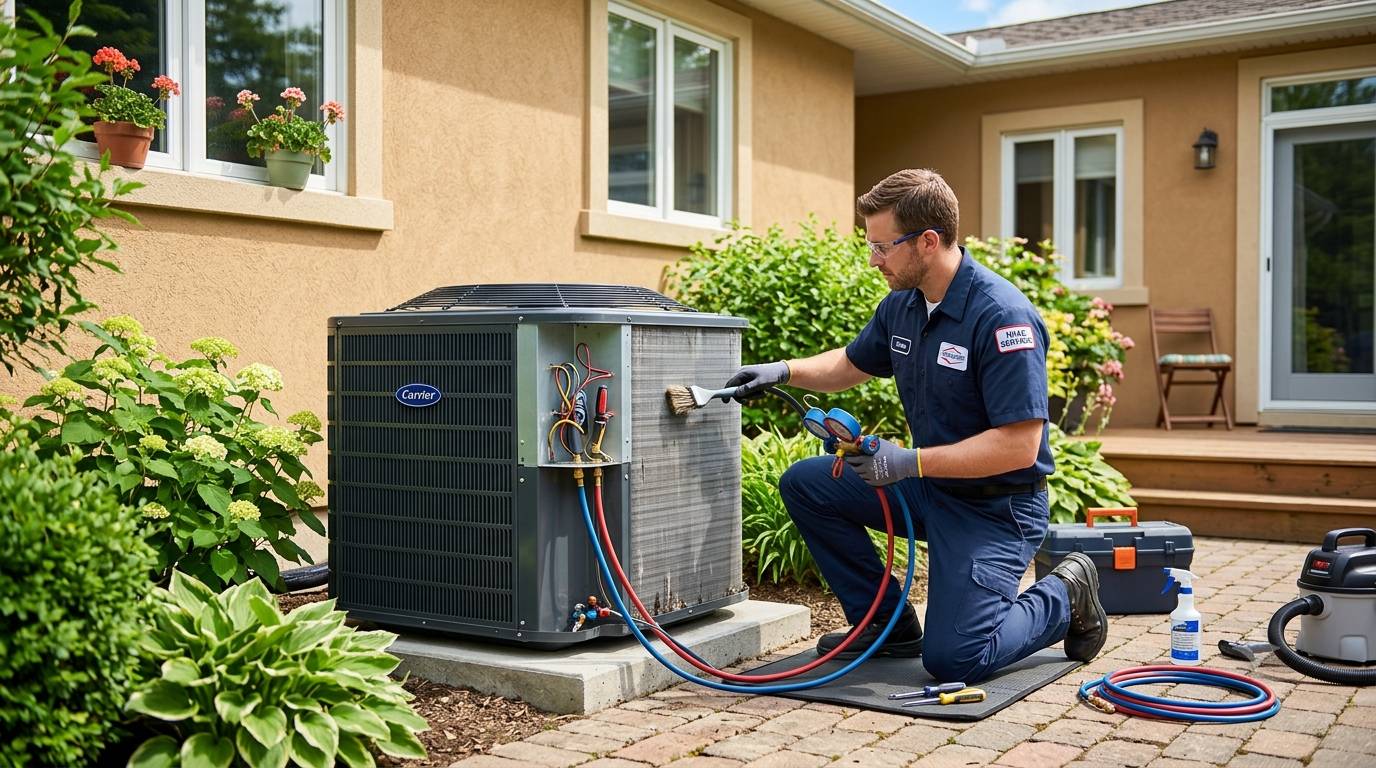
Your outdoor AC unit needs adequate airflow to release the heat removed from your home. Before summer use becomes intense, inspect the area around the condenser and remove leaves, grass clippings, branches, and other debris.
Keep plants and objects from crowding the unit. The manufacturer’s recommended clearance should take priority, but maintaining an unobstructed area around the condenser is generally important for proper airflow.
Never remove panels or attempt to work on electrical components yourself. If the outdoor unit looks damaged, makes unusual sounds, or has visible electrical problems, arrange for professional service.
Check Vents and Indoor Airflow
Walk through your home and check the supply and return vents. Make sure furniture, curtains, rugs, or other household items are not blocking them.
Uneven temperatures between rooms can sometimes indicate restricted airflow, ductwork problems, inadequate insulation, or equipment issues. Closing numerous vents in an attempt to redirect cooling can also interfere with the way some HVAC systems are designed to operate.
Pay attention to changes rather than simply accepting them as normal. If one area of the home suddenly becomes much warmer than it used to be, that difference is worth investigating.
Pay Attention to Unusual Sounds and Odors
Your air conditioner will produce some normal operating sounds, but a sudden change deserves attention. Grinding, rattling, buzzing, squealing, or repeated clicking can indicate a mechanical or electrical problem that needs professional evaluation.
Unusual odors can also provide an early warning. A persistent musty smell, burning odor, or other unfamiliar scent should not be ignored.
Addressing warning signs promptly may prevent a minor problem from developing into a larger repair. If your system stops cooling properly or develops a significant fault, professional AC repair for Milton homeowners can help identify the underlying cause rather than simply treating the symptom.
Keep the Condensate Drain Clear
Air conditioners remove moisture from indoor air as they cool your home. That moisture typically drains away through a condensate line.
If the drain becomes clogged, water may back up and potentially cause water damage or trigger a safety switch that shuts the system down. Check for visible signs of moisture around the indoor unit, particularly if you notice unexplained water or the system suddenly stops operating.
Because condensate systems vary between installations, avoid taking apart components you are unfamiliar with. A qualified HVAC technician can inspect and clean the drain when necessary.
Schedule Professional AC Maintenance
Homeowners can handle several basic maintenance tasks, but professional preventive service goes further. An HVAC technician can inspect components that are not safely accessible during routine household checks and identify developing problems.
A professional AC tune-up may include inspection of electrical connections, system controls, refrigerant-related components, coils, blower components, and other parts depending on the equipment and service requirements.
Regular maintenance is particularly useful before periods of heavy cooling demand. Scheduling service before the hottest part of summer gives you an opportunity to address problems before your household depends on the system every day.
Use This Summer AC Maintenance Checklist
A simple routine makes maintenance easier to remember. Throughout the cooling season, keep these tasks on your radar:
- Check the air filter and replace or clean it as directed.
- Keep indoor supply and return vents unobstructed.
- Inspect the outdoor condenser for leaves and debris.
- Keep vegetation from interfering with outdoor airflow.
- Watch for unusual noises, odors, leaks, or changes in performance.
- Check for signs of condensate drainage problems.
- Keep the thermostat operating according to your normal cooling needs.
- Arrange professional maintenance when your system is due for service.
- Review your manufacturer’s maintenance recommendations.
You do not need to perform every task yourself. The purpose of a checklist is to help you recognize what deserves attention and know when professional assistance is appropriate.
Common AC Maintenance Mistakes to Avoid
One of the biggest mistakes is waiting until the system stops working before thinking about maintenance. Preventive checks are more useful when they happen before a noticeable failure.
Another mistake is attempting complex repairs without the proper training or equipment. Air conditioning systems contain electrical components and pressurized refrigerant, so repairs involving these components should be handled by qualified professionals.
It is also easy to overlook airflow problems. A clean outdoor unit does not compensate for a severely restricted indoor filter, and a new filter cannot resolve every ductwork or mechanical issue. Good AC maintenance considers the system as a whole.
Know When Your AC Needs Professional Attention
Maintenance is not the same as repair. If your air conditioner runs continuously without adequately cooling the home, repeatedly cycles on and off, leaks water, produces unusual noises, or has a sudden decline in performance, schedule an inspection.
Do not continue operating a system that shows signs of an electrical hazard or burning smell. Turning the equipment off and seeking professional assistance is the safer approach.
Conclusion
A reliable air conditioner starts with consistent care. Checking the filter, protecting outdoor airflow, keeping vents clear, watching for warning signs, and scheduling professional maintenance can all contribute to dependable summer cooling.
The most important part of an AC maintenance checklist is consistency. Small checks performed throughout the season can help you recognize changes early and make informed decisions about when your system needs professional attention.