
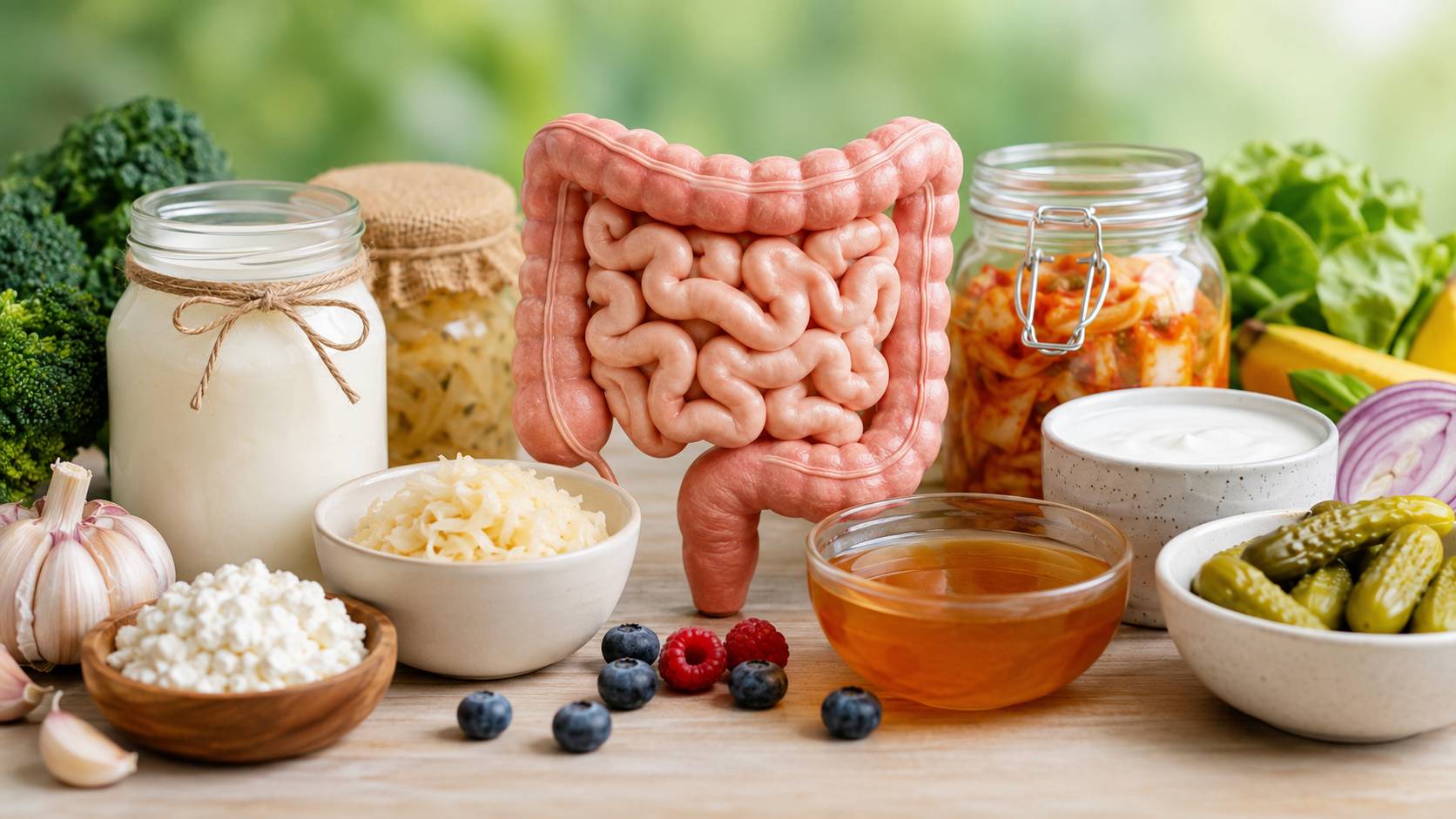
Your digestive system does far more than process food. It plays a central role in your immune system, energy levels, mental well-being, and overall health. At the heart of this system is the gut microbiome—a complex community of trillions of bacteria, fungi, and other microorganisms that help keep your body functioning properly.
In recent years, probiotics have become one of the most talked-about topics in nutrition. While they are often associated with yogurt or dietary supplements, their benefits go much deeper than improving digestion alone.
Understanding how probiotics support gut health can help you make informed choices that improve your daily well-being and reduce the risk of long-term health problems.
What Are Probiotics?
Probiotics are live microorganisms that provide health benefits when consumed in adequate amounts. They are commonly known as “good” or “friendly” bacteria because they help maintain a healthy balance of microbes in your digestive tract.
Your gut naturally contains both beneficial and harmful bacteria. When this balance is disrupted due to poor diet, illness, stress, or antibiotics, digestive issues and other health concerns may develop.
Probiotics help restore that balance by increasing the population of beneficial bacteria and supporting a healthier gut environment.
Understanding the Gut Microbiome
The gut microbiome is an ecosystem of microorganisms living primarily in the large intestine. These microbes work together to perform many essential functions, including:
- Breaking down food and absorbing nutrients
- Producing certain vitamins such as Vitamin K and some B vitamins
- Supporting the immune system
- Protecting against harmful bacteria
- Helping regulate inflammation
- Communicating with the brain through the gut-brain axis
When the microbiome is healthy and diverse, your digestive system tends to function more efficiently, and many other parts of the body benefit as well.
Why Gut Health Matters More Than Ever
Modern lifestyles place significant stress on digestive health. Many everyday habits can reduce the diversity of beneficial gut bacteria, including:
- Highly processed diets
- Excess sugar consumption
- Frequent antibiotic use
- Chronic stress
- Lack of sleep
- Limited physical activity
- Low fiber intake
Over time, these factors may contribute to digestive discomfort and influence broader aspects of health, making gut care increasingly important.
The Key Benefits of Probiotics
1. Improve Digestive Health
One of the most recognized benefits of probiotics is better digestion.
They help maintain a healthy balance of bacteria that supports normal bowel function and efficient digestion. Many people experience relief from common digestive complaints after regularly consuming probiotic-rich foods or supplements.
Probiotics may help with:
- Occasional bloating
- Gas
- Mild constipation
- Diarrhea, including antibiotic-associated diarrhea
- General digestive discomfort
While probiotics are not a cure for every digestive problem, they can be a valuable part of an overall digestive wellness plan.
2. Support a Stronger Immune System
Around 70% of the body’s immune cells are located in the gut.
A healthy gut microbiome helps train immune cells to respond appropriately to harmful invaders while avoiding unnecessary inflammation. Maintaining balanced gut bacteria may support your body’s natural defenses and help reduce the frequency of certain infections.
This makes gut health an important part of overall immune resilience.
3. Help Restore Balance After Antibiotics
Antibiotics are effective at treating bacterial infections, but they often eliminate beneficial bacteria along with harmful ones.
This temporary imbalance can lead to digestive upset.
Certain probiotic strains may help restore healthy bacteria after a course of antibiotics, potentially reducing digestive side effects and supporting faster recovery of the gut microbiome.
4. Support Mental Well-Being
Researchers continue to study the connection between the gut and the brain, often called the gut-brain axis.
The gut produces many signaling molecules that influence mood, stress responses, and cognitive function. While probiotics should never replace professional mental health care, maintaining a healthy gut may contribute to better emotional well-being as part of a healthy lifestyle.
Many people notice that digestive health and stress levels often influence each other.
5. Improve Nutrient Absorption
Healthy gut bacteria help your body break down food and absorb nutrients more efficiently.
Probiotics support digestion by assisting with the processing of:
- Calcium
- Iron
- Magnesium
- Certain vitamins
- Plant-based nutrients
Better nutrient absorption supports stronger bones, healthier muscles, improved energy, and overall wellness.
6. Promote Better Regularity
Regular bowel movements are an important sign of digestive health.
Certain probiotic strains may help improve bowel regularity by supporting healthy intestinal movement and maintaining a balanced gut environment.
Combined with adequate hydration and sufficient dietary fiber, probiotics can contribute to more comfortable digestion.
Foods Naturally Rich in Probiotics
Many everyday foods contain beneficial live bacteria.
Some of the best natural probiotic foods include:
- Yogurt with live cultures
- Kefir
- Sauerkraut
- Kimchi
- Miso
- Tempeh
- Kombucha
- Traditional fermented pickles
Adding a variety of fermented foods to your meals can introduce beneficial bacteria while also providing valuable nutrients.
Don’t Forget Prebiotics
Probiotics need nourishment to survive and thrive.
Prebiotics are types of dietary fiber that feed beneficial gut bacteria, helping them multiply and remain active.
Excellent sources of prebiotics include:
- Garlic
- Onions
- Bananas
- Asparagus
- Oats
- Apples
- Chicory root
- Whole grains
Combining probiotics with prebiotic-rich foods creates a more supportive environment for long-term gut health.
Should You Take Probiotic Supplements?
Supplements can be helpful in certain situations, but they are not necessary for everyone.
Some people may benefit from probiotics if they:
- Frequently take antibiotics
- Experience recurring digestive discomfort
- Have been advised by a healthcare professional
- Have difficulty consuming fermented foods
When choosing a supplement, consider:
- Clearly labeled bacterial strains
- Adequate colony-forming units (CFUs)
- Quality manufacturing standards
- Proper storage recommendations
- Clinical evidence supporting the product
Because different probiotic strains serve different purposes, selecting the right product depends on your individual health needs.
Lifestyle Habits That Support Gut Health
Probiotics work best when combined with healthy daily habits.
To maintain a balanced gut microbiome:
- Eat plenty of fruits and vegetables
- Choose whole grains over refined carbohydrates
- Include fermented foods regularly
- Stay physically active
- Drink enough water
- Get quality sleep
- Manage stress through relaxation techniques
- Limit ultra-processed foods and excessive added sugar
These habits support beneficial bacteria while promoting overall wellness.
Common Myths About Probiotics
Myth 1: All probiotics are the same.
Different strains provide different benefits. One probiotic may support digestion, while another may help maintain immune health.
Myth 2: More probiotics are always better.
Higher doses are not necessarily more effective. Choosing an appropriate strain with proven benefits is usually more important than simply selecting the highest CFU count.
Myth 3: Probiotics work instantly.
Building a healthier gut microbiome takes time. Many people notice gradual improvements after several weeks of consistent use.
Myth 4: Supplements replace a healthy diet.
No supplement can compensate for poor nutrition. A balanced diet remains the foundation of digestive health.
Frequently Asked Questions
How long does it take for probiotics to work?
Results vary depending on the individual and the specific probiotic strain. Some people notice digestive improvements within a few days, while others may require several weeks of consistent use.
Can everyone take probiotics?
Most healthy adults can safely consume probiotic-rich foods. However, individuals with weakened immune systems or serious medical conditions should consult a healthcare professional before starting probiotic supplements.
Are probiotic foods better than supplements?
For many people, fermented foods provide probiotics along with valuable nutrients. Supplements may be useful when recommended by a healthcare provider or when dietary intake is limited.
Can probiotics improve overall health?
Emerging research suggests that maintaining a healthy gut microbiome may positively influence digestion, immune function, nutrient absorption, and aspects of mental well-being. However, probiotics are only one part of a healthy lifestyle.
Conclusion
Gut health influences much more than digestion. It affects immunity, nutrient absorption, energy, and even communication between the gut and the brain. As research continues to reveal the importance of the gut microbiome, taking care of digestive health has become a practical investment in overall wellness.
Probiotics can play an important role by supporting a balanced community of beneficial bacteria, especially when combined with a nutritious diet, prebiotic-rich foods, regular exercise, quality sleep, and effective stress management. Rather than looking for quick fixes, focus on building consistent habits that support your digestive system every day.
Small lifestyle changes made today can have lasting benefits for your gut and your long-term health.